

How to
Use
Micromite
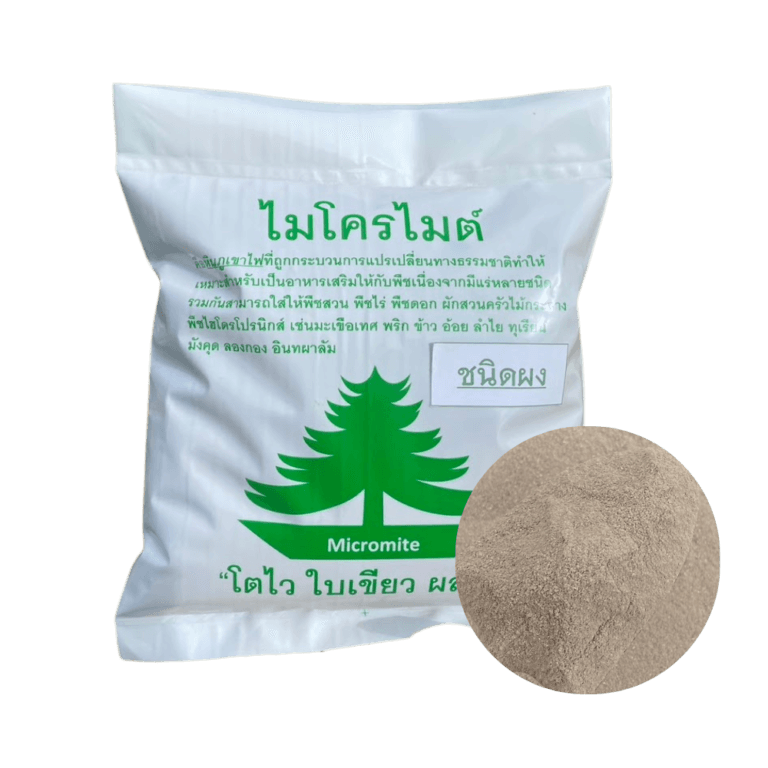
Micromite comes in 2 types — powder and pellet. Choose the right one for your application.
Micromite Powder Type
Ground basalt < 0.5 mm. Ideal for hydroponics, field crops, potted plants, and growing medium.
Usage by Plant Type
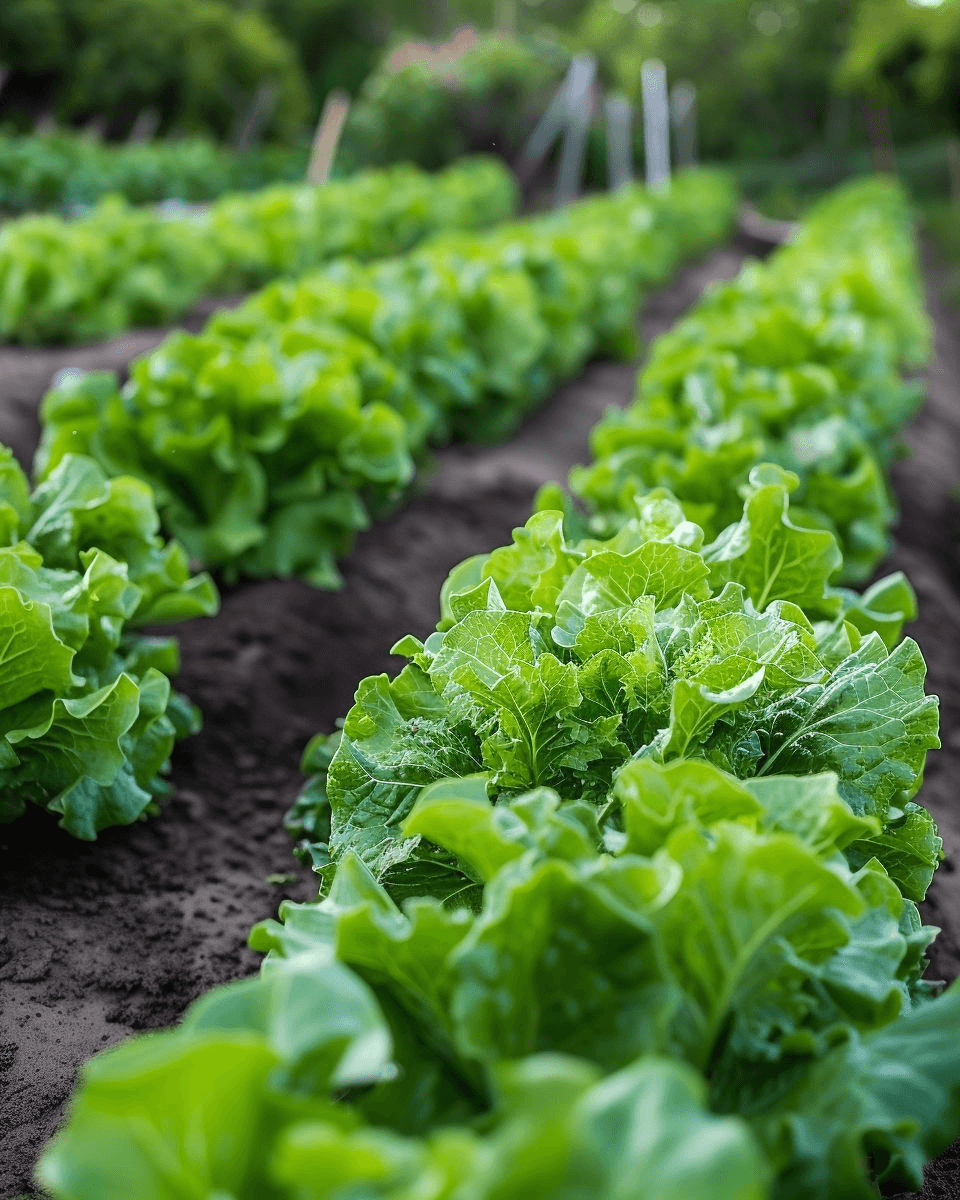
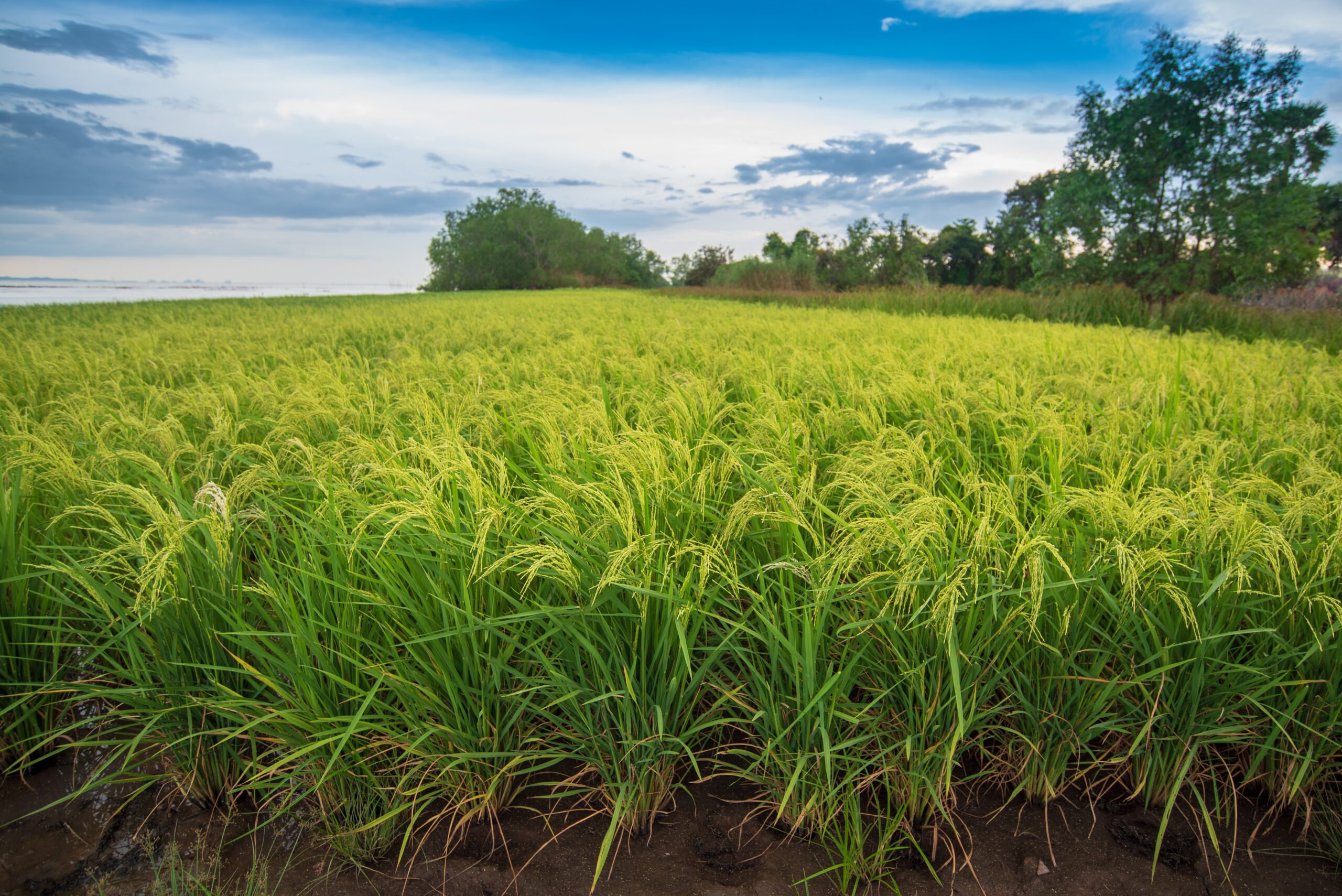
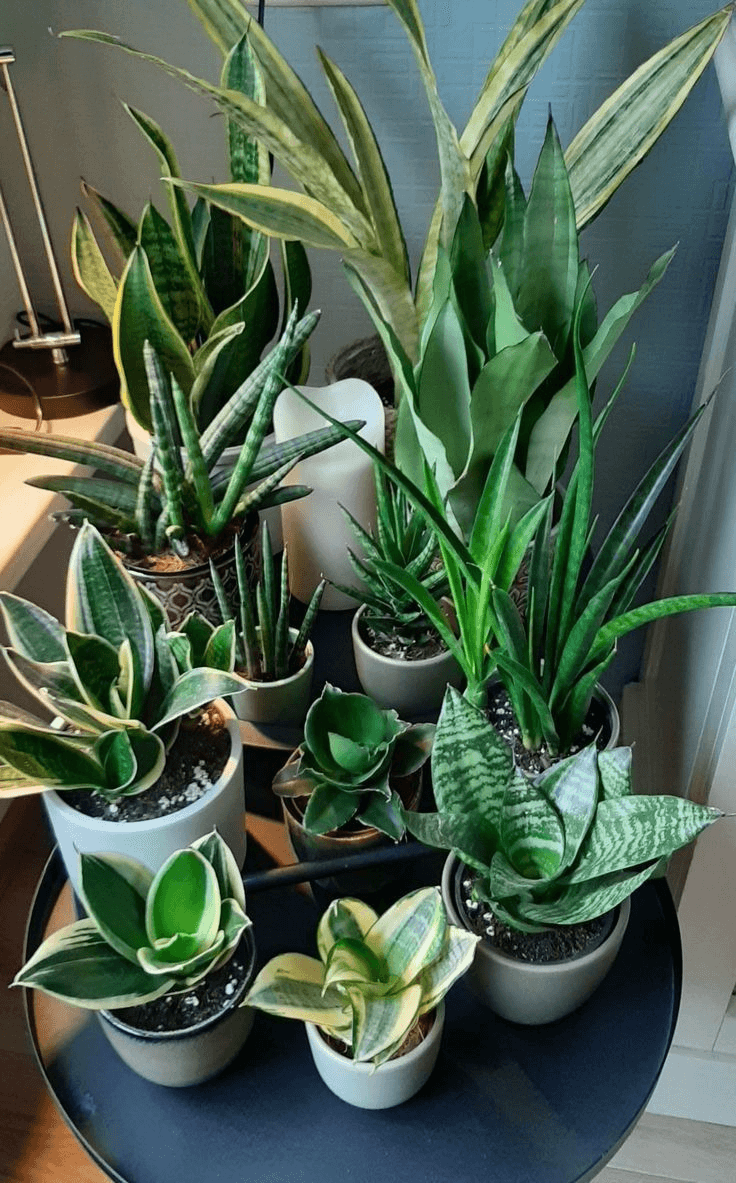
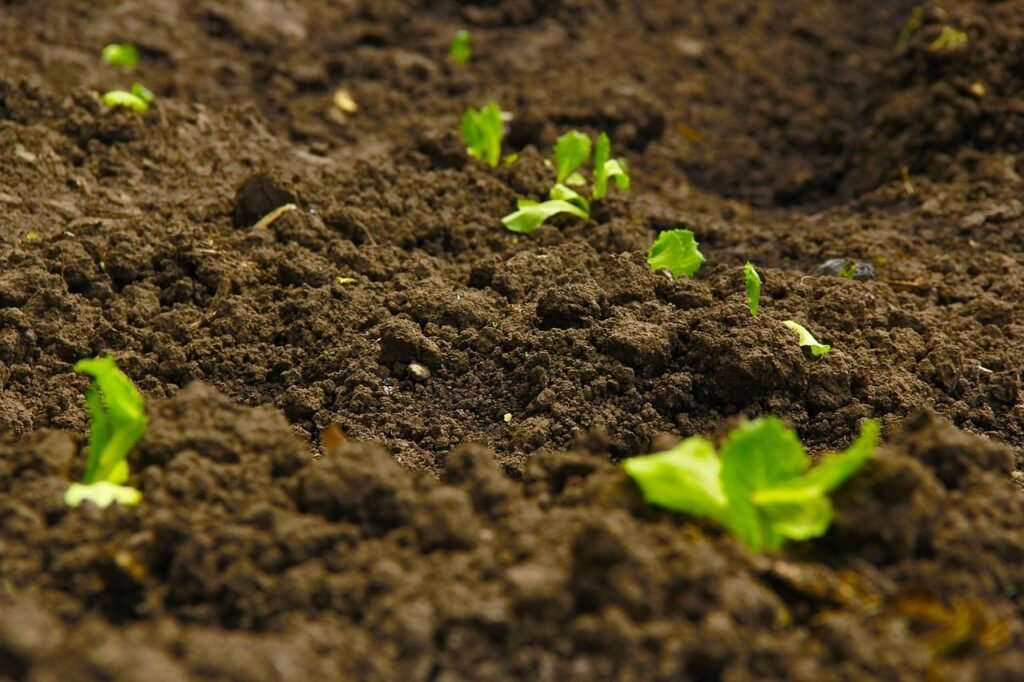
How to Use Micromite — Powder Type
Watch how to mix Micromite powder with soil at 50 g per 1 kg of growing medium.
Watch video for other type:
5 Simple Steps for Best Results
Assess Soil
Check pH and basic soil condition to set the right application rate.
Prepare Soil
Till or prepare the bed so soil is loose and ready to absorb minerals.
Apply Micromite
Spread or mix at the recommended rate. Compatible with chemical or organic fertilizers.
Water Thoroughly
Water well after application to dissolve minerals into soil.
Observe Results
See results in 2–4 weeks: deeper green leaves and stronger plants.
Recommended Rates by Crop Type
Rates can be adjusted based on soil conditions and crop needs
Rice
Sugarcane
Cassava
Rubber Tree
Vegetables
Fruit Trees
As Animal Feed Supplement
Micromite can be mixed into animal feed as a mineral supplement, improving strength, bone density, digestion, and reducing medication needs.

Micromite for Shrimp Farming
Micromite is an inorganic supplement essential for shrimp growth, providing key minerals involved in various physiological processes. Shrimp farmers should pay special attention to incorporating Micromite into their feeding program.
Key Minerals Shrimp Need
Builds shell during molting, boosts survival rate, reduces pH spikes
Metabolism, enzyme activity, protein synthesis
Osmotic pressure control, carbohydrate absorption, reduces stress
Cell division, muscle and tissue development, strong growth
Benefits for Shrimp Farming
Stabilizes pH levels in pond soil and water
Maintains consistent pond water quality throughout the season
Ca & Mg accelerate new shell formation after molting
Provides micro-minerals for pond plankton growth
Stimulates immunity and metabolic processes in shrimp
Potassium aids muscle and tissue development for stronger growth
Dosage for Shrimp
Add to pond water after soil prep, before releasing shrimp post.
Add to pond water once a week to nourish plankton as shrimp food.
Mix Micromite into shrimp feed once daily.
💡 Usage Tips
Compatible with chemical and organic fertilizers — no adverse reactions.
Apply at the start of the growing season, or split into 2 applications per year.
For highly acidic soil, increase rate by 20–30% in the initial period.
Water thoroughly after application to dissolve minerals and reach roots.
Store in a dry place, sealed tightly, away from moisture.
Results improve with continuous use across more than 1 growing season.
Need More Guidance?
Our team provides personalized advice tailored to your soil and crops.